By the end of this lesson
- Classify energy sources as renewable or non-renewable and outline how each named example produces useful energy.
- Compare advantages and disadvantages of those sources for people and for the environment.
- Judge a mix of sources rather than labelling one type as simply good or bad.
Renewable versus non-renewable
A non-renewableDescribes energy resources formed so slowly that use depletes them on human timescales. energy source cannot be replaced on a human timescale once it is used. The specification lists coalA carbon-rich fossil fuel formed from ancient plant material, burned to produce heat or electricity., oil, natural gasA gaseous fossil fuel, mainly methane, used for heating, electricity generation and industrial processes., uraniumA radioactive metal used as fuel in nuclear reactors to release energy through fission. and shale gas or shale oilFossil fuels held in low-permeability shale rock, commonly extracted using horizontal drilling and hydraulic fracturing.. Coal, oil and gas are fossil fuels formed from ancient organic matter; burning them releases carbon dioxideA greenhouse gas released by processes including fossil fuel combustion and deforestation that contributes to warming when its concentration rises. that had been locked away. Uranium is a mineral used in nuclear fission rather than combustion; it is non-renewable because usable ore is finite, even though a power station does not produce carbon dioxide while it is splitting atoms. Shale gas and shale oil are fossil fuels trapped in shale rock and released by techniques such as hydraulic fracturing; they belong with the fossil group, not with renewableDescribes energy resources replenished by natural flows on human timescales, though their use can still cause environmental impacts..
A renewable source is replenished naturally on a human timescale. The specification lists solar, wind, hydropowerElectricity generated by using moving or falling water to drive turbines. (hydro-electric power), geothermalDescribes energy obtained from heat within the Earth for electricity generation or direct heating. and biomassOrganic material used as fuel, including wood, crop residues and animal waste.. Sunlight and wind are flows. Hydropower uses the water cycle and relief. Geothermal uses heat from the Earth, practical at scale in volcanic or high-heat-flow regions and, with the right rocks, in some other places. Biomass uses recently grown organic matter — wood, crops, biogas, some wastes — and is renewable only if harvesting does not outrun regrowth.
Exam tip: classify first, {renewable or non-renewable}, then give one people advantage, one people disadvantage, one environment advantage and one environment disadvantage if the question asks for a full comparison.
Fossil fuels and shale
coalA carbon-rich fossil fuel formed from ancient plant material, burned to produce heat or electricity. is widely distributed, well understood, and able to provide reliable “baseload-style” electricity where plants already exist. It is also one of the most carbon-intensive major fuels, a major source of local air pollution (particulates, sulphur dioxide), and destructive at the mine — opencast pits, spoil heaps, and underground subsidence. Many countries are trying to reduce coal in electricity because of climateThe average weather conditions and their variability in a place over a long period, usually at least 30 years. policy and, in some places, because gas or renewableDescribes energy resources replenished by natural flows on human timescales, though their use can still cause environmental impacts. have become cheaper.
Oil is energy-dense and still dominates much of transport because liquid fuels are easy to storeA part of a system in which water or other material is held for a period of time. and move. Advantages include existing global infrastructureThe basic networks and facilities, such as roads, water supply and electricity, that support an economy and daily life. and high energy per kilogram. Disadvantages include carbon emissions, oil spills, political concentration of reserves, and price spikes when supply is disrupted. natural gasA gaseous fossil fuel, mainly methane, used for heating, electricity generation and industrial processes. burns more cleanly than coal at the power station in terms of carbon dioxideA greenhouse gas released by processes including fossil fuel combustion and deforestation that contributes to warming when its concentration rises. and local pollutants, and it can ramp up and down to back up variable renewables. It still emits carbon dioxide, it can leak methaneA powerful greenhouse gas released by sources including livestock, rice cultivation, waste and fossil fuel extraction. (a powerful greenhouse gas) from wells and pipes, and import dependence on pipelines or LNG can become a security problem, as Europe was reminded after Russia’s full-scale invasion of Ukraine in 2022.
Shale gas and oil can increase domestic production and cut import bills where the geologyThe rocks and geological structures of an area that influence its landscape and drainage. and industry exist, notably in the United States. Disadvantages debated in many countries include large water use, possible groundwaterWater stored below the water table in saturated rock and sediment. contamination if wells fail, induced seismicity (small earthquakeA sudden shaking of the ground caused by the release of stored strain energy, usually along a fault.) from fracturing or wastewater injection, surface industrialisation of rural landscapes, and the fact that the product is still a fossil fuel. Several governments, including the UK, have been reluctant to develop a large shale industry after public opposition and seismic events at test sites.
Uranium and nuclear electricity
Nuclear power uses heat from fission to raise steam and drive turbines. Advantages for people include large amounts of electricity from a small amount of fuel, very low operational carbon emissions, and long operating hours that can support a grid. Advantages for the climateThe average weather conditions and their variability in a place over a long period, usually at least 30 years. are why some high-income countries still commission new plants. Disadvantages include high construction costs and long lead times, the need to storeA part of a system in which water or other material is held for a period of time. radioactive waste for far longer than a political career, public fear after accidents such as Chernobyl (1986) and Fukushima Daiichi (2011) — the latter triggered by the Tōhoku tsunamiA series of long waves generated by sudden displacement of a large volume of water, often by an undersea earthquake. you met in hazardA potential source of harm to people, property or the environment. — and the potential link between civil nuclear skills and weapons proliferation, which is a political issue even when a particular plant is civilian.
Environmentally, routine operation of a modern plant produces little air pollution compared with coalA carbon-rich fossil fuel formed from ancient plant material, burned to produce heat or electricity.. The local footprint includes cooling-water use, a security exclusion zone, and the mining of uraniumA radioactive metal used as fuel in nuclear reactors to release energy through fission., which has its own landscape and health issues if poorly regulated. Nuclear is therefore a poor fit for a simple “clean versus dirty” chant; it is low-carbon and non-renewableDescribes energy resources formed so slowly that use depletes them on human timescales., with a distinctive riskThe combination of the likelihood of harm and the seriousness of its consequences. profile.
Solar, wind and hydro
Solar photovoltaic panels and concentrated solar plants turn sunshine into electricity. Advantages include falling costs, no operational carbon emissions, suitability at household and utility scale, and a good match to sunny regions and daytime cooling demand. Disadvantages include variability (night, monsoonA seasonal reversal of prevailing winds that produces marked wet and dry seasons in many tropical regions. cloud, dust), land useThe purpose for which land is used, such as housing, farming, industry or recreation. for large parks, the mineral and manufacturing footprint of panels, and the need for transmission from sunny interiors to cities. Rooftop solar reduces the land-use objection.
Wind power, especially offshore, can generate at large scale where winds are strong and reliable. The UK’s shallow North Sea has become a globally important offshore-wind laboratory. Advantages: low operational carbon, no fuel costs, domestic resource. Disadvantages: variability, visual and noise objections onshore, impacts on some birds and marine life that need careful siting, and the industrialDescribes an economy with a substantial manufacturing sector as production expands beyond primary activities. effort of foundations, cables and rare-earth magnets. Neither solar nor wind is “free” once you count construction and backup.
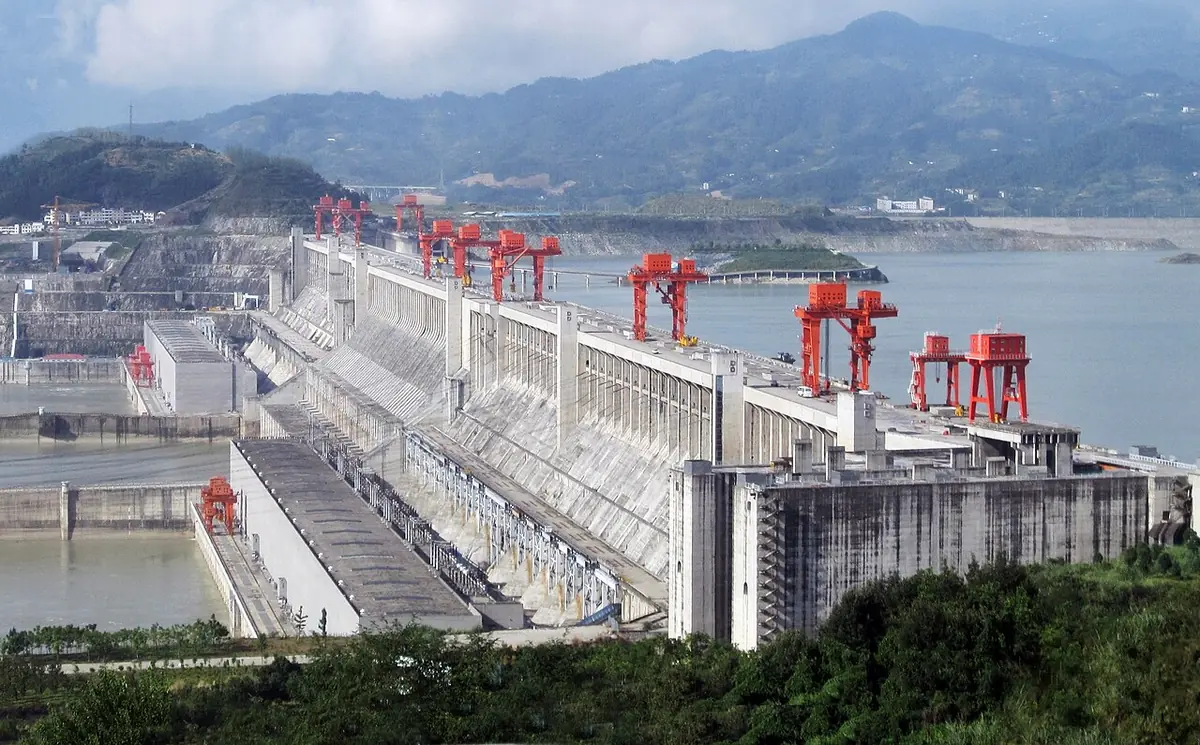
hydropowerElectricity generated by using moving or falling water to drive turbines. can storeA part of a system in which water or other material is held for a period of time. energy behind a damA barrier across a river that holds back water and regulates downstream flow. and respond quickly to demand, which is a huge grid advantage. Large dams, however, flood valleys, can displace communities, change downstream sediment and fish migrationThe movement of people from one place to another to live for a significant period., and in the tropics may release methaneA powerful greenhouse gas released by sources including livestock, rice cultivation, waste and fossil fuel extraction. from drowned vegetation. droughtA prolonged period of unusually low precipitation that creates water deficits for ecosystems and people. reduces output. Small run-of-river schemes avoid the biggest reservoirAn artificial lake used to store water for supply, power generation or flood management. but produce less controllable power. China, Brazil and other countries show both the electricity gains and the social conflicts.
Geothermal and biomass, then judging a mix
geothermalDescribes energy obtained from heat within the Earth for electricity generation or direct heating. plants in places such as Iceland or the East African Rift can provide reliable low-carbon heat and power. Advantages include a small land footprint for the energy delivered and independence from daily weather. Disadvantages include geographic limits, high exploration riskThe combination of the likelihood of harm and the seriousness of its consequences., and possible local emissions or induced seismicity depending on the system. It is an excellent answer where the geologyThe rocks and geological structures of an area that influence its landscape and drainage. fits and a weak copy-paste where it does not.
biomassOrganic material used as fuel, including wood, crop residues and animal waste. can use wastes or dedicated crops to produce heat, electricity or liquid fuels. In theory the carbon released when it burns is recaptured as plants grow. In practice, sustainability depends on what is burned. fuelwoodWood collected or harvested for burning to provide heat or energy. collected faster than woodland regrows — still a cooking-energy reality in some rural areas — causes deforestationThe clearance of forest so that land is converted to another use. and indoor air pollution. Crop-based biofuels can compete with food for land. Well-managed waste biogas is a different story and often a better example of a genuine advantage.
Worked example: a table asks you to “assess nuclear versus offshore wind for a developed coastal country”. People: nuclear is dispatchable but slow and expensive to build; wind is faster to add but variable. Environment: both are low-carbon in operation; nuclear has waste, wind has marine and materials issues. Energy security: both cut fossil imports if they work, but they do so on different timescales. A both/and mix is a more geographical conclusion than a winner-takes-all sentence.
Exam workshop — no saintly energy source
Examiners punish one-sided source essays. Structure comparisons as {people / environment} or {economic / social / environmental}, and mention reliabilityThe consistency of results when measurements or an investigation are repeated under comparable conditions., cost, carbon, local pollution, land useThe purpose for which land is used, such as housing, farming, industry or recreation. and waste. If a figure shows a country’s electricity mix as stacked bars over time, describe the changing shares before you evaluate them. A falling coalA carbon-rich fossil fuel formed from ancient plant material, burned to produce heat or electricity. share and a rising wind share is not automatically “sustainableDescribes meeting present needs while protecting the capacity of future generations to meet their own needs.” if total demand soared and gas still covers still evenings — but it is still a real change worth stating.
Misconception check: renewableDescribes energy resources replenished by natural flows on human timescales, though their use can still cause environmental impacts. does not mean impact-free, and non-renewableDescribes energy resources formed so slowly that use depletes them on human timescales. does not mean useless. Gas can help a transition or lock in emissions, depending on how long plants run. hydropowerElectricity generated by using moving or falling water to drive turbines. is renewable and can be socially damaging. Nuclear is non-renewable and low-carbon. Learn the sources as a set of trade-offs; the next lesson asks how demand itself can be cut so that every source has less work to do.
Exam application (e08-1). When an unfamiliar figure appears, start by describing the pattern or the calculation the paper actually printed, then attach one idea from this lesson rather than retelling the whole topic. A precise six-mark paragraph usually needs a named factor or theory, a located or numerical detail, and a short evaluation clause about what the evidence cannot show. Practise writing that sequence under time pressure so that it becomes automatic in the exam hall. If two interpretations are possible, say which one the figure supports more strongly and why the other remains possible. That habit keeps your geography honest and earns the evaluation marks that shorter scripts miss. Teachers will recognise the difference immediately because your sentences will point at the data instead of hovering above it. Finally, check that you have answered the command word: describe, explain, compare or evaluate each demand a different last sentence.
Exam application (e08-2). When an unfamiliar figure appears, start by describing the pattern or the calculation the paper actually printed, then attach one idea from this lesson rather than retelling the whole topic. A precise six-mark paragraph usually needs a named factor or theory, a located or numerical detail, and a short evaluation clause about what the evidence cannot show. Practise writing that sequence under time pressure so that it becomes automatic in the exam hall. If two interpretations are possible, say which one the figure supports more strongly and why the other remains possible. That habit keeps your geography honest and earns the evaluation marks that shorter scripts miss. Teachers will recognise the difference immediately because your sentences will point at the data instead of hovering above it. Finally, check that you have answered the command word: describe, explain, compare or evaluate each demand a different last sentence.
Exam application (e08-3). When an unfamiliar figure appears, start by describing the pattern or the calculation the paper actually printed, then attach one idea from this lesson rather than retelling the whole topic. A precise six-mark paragraph usually needs a named factor or theory, a located or numerical detail, and a short evaluation clause about what the evidence cannot show. Practise writing that sequence under time pressure so that it becomes automatic in the exam hall. If two interpretations are possible, say which one the figure supports more strongly and why the other remains possible. That habit keeps your geography honest and earns the evaluation marks that shorter scripts miss. Teachers will recognise the difference immediately because your sentences will point at the data instead of hovering above it. Finally, check that you have answered the command word: describe, explain, compare or evaluate each demand a different last sentence.
Exam application (e08-4). When an unfamiliar figure appears, start by describing the pattern or the calculation the paper actually printed, then attach one idea from this lesson rather than retelling the whole topic. A precise six-mark paragraph usually needs a named factor or theory, a located or numerical detail, and a short evaluation clause about what the evidence cannot show. Practise writing that sequence under time pressure so that it becomes automatic in the exam hall. If two interpretations are possible, say which one the figure supports more strongly and why the other remains possible. That habit keeps your geography honest and earns the evaluation marks that shorter scripts miss. Teachers will recognise the difference immediately because your sentences will point at the data instead of hovering above it. Finally, check that you have answered the command word: describe, explain, compare or evaluate each demand a different last sentence.
Common misconceptions
Not quite: Renewable energy has no environmental impact.
Instead: Dams flood valleys, wind farms need careful siting, solar parks use land and materials, and poorly managed biomass can strip woodland.
Not quite: Nuclear power is a renewable source.
Instead: Uranium is a finite mineral. Nuclear electricity is low-carbon in operation but non-renewable.
Not quite: Natural gas is a clean fuel, so it has no climate impact.
Instead: It is cleaner than coal at the chimney in several respects, but it still emits carbon dioxide and leaked methane is a powerful greenhouse gas.
Exam tips
Classify, then evaluate
First state {renewable or non-renewable}, then give paired advantages and disadvantages for people and the environment.
Reliability is a people factor
Variable wind and solar need {backup, storage or interconnectors}; that is a legitimate disadvantage, not hostility to renewables.
Judge the mix
Exam answers that pick a single “best” source usually miss the spec’s invitation to {compare}.