By the end of this lesson
- Locate Spain and Kenya as contrasting tourism destinations and explain why each needs more sustainable approaches.
- Compare actions by individuals, organisations and governments in each country, using environmental, economic and social criteria.
- Evaluate how far those actions reduce the problems of mass or high-impact tourism without inventing visitor totals.
Why Spain and Kenya are the contrasting pair
The specification asks for approaches that make tourism more sustainableDescribes meeting present needs while protecting the capacity of future generations to meet their own needs. in a named developed country and a named emerging or developing country. This course uses Spain and Kenya. Sustainable tourism, in exam language, means tourism that can continue without destroying the environment it depends on, that shares economic benefits more fairly, and that does not hollow out residents’ quality of lifeThe overall wellbeing of people, including health, security, access to services and satisfaction with their surroundings.. It is not a synonym for “no tourists”.
Spain is a high-income European destination whose modern tourism industry grew through Mediterranean mass tourism from the 1960s: package holidays, charter flights and dense hotel strips along coasts such as the Costa del Sol and in the Balearic Islands (Mallorca, Ibiza, Menorca) and the Canary Islands. Cities, notably Barcelona, later added urban cultural and cruise tourism. The country’s challenge is often too much pressure in particular places and months, not a lack of visitors.
Kenya’s international product is different: safari circuits in savanna and lake parks (the Maasai Mara, Amboseli and similar reserves are types) plus Indian Ocean coastal tourism around Mombasa, Diani, Malindi and Watamu. Tourism is an important source of jobs and foreign exchangeForeign currencies earned through exports, tourism or other international transactions and used to pay for imports. in a lower-income setting, but leakageThe loss of spending from a local economy through imports or payments to businesses and owners elsewhere., wildlife and community tensions, and vulnerabilityThe susceptibility of people or assets to harm from a hazard because of their physical, social or economic conditions. to security advisories are central problems. Comparing the two countries is about contrasting products and starting points, not about saying one is “good tourism” and the other “bad”.
Exam tip: name {Spain as the developed case} and {Kenya as the developing or emerging case} immediately, then say what kind of tourism each mainly sells.
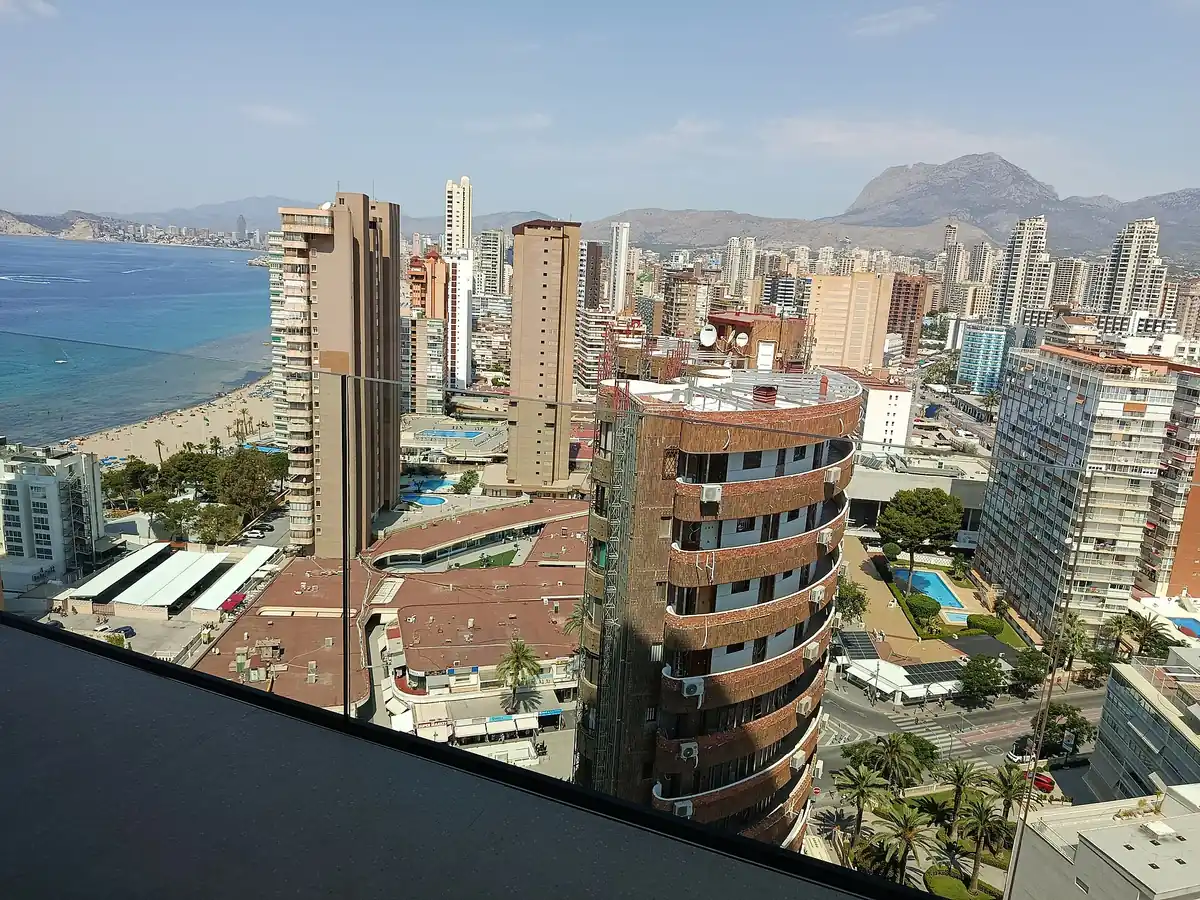
Spain — the pressures that management is answering
Spanish mass coastal tourism created employment, urbanised seafronts and tied many local economies to a summer peak. Environmental pressures include high water use for showers, pools and landscaping in a Mediterranean climateThe average weather conditions and their variability in a place over a long period, usually at least 30 years. that already faces droughtA prolonged period of unusually low precipitation that creates water deficits for ecosystems and people. years; sewage and litter; loss of natural coastline to apartments and marinas; and crowding in nature sites. Social pressures include congestionOvercrowding of a transport network that slows movement as demand approaches or exceeds capacity. in historic centres, a shift of housing into short-term lets, and residents’ protests in some cities. Economic pressures include seasonalityRegular variation in demand, employment or activity through the year, often linked to climate or holidays. and, in all-inclusive or foreign-owned resorts, leakageThe loss of spending from a local economy through imports or payments to businesses and owners elsewhere. — though Spain also has a large domestic hotel and service sector, so leakage is usually less extreme than in a small enclave destination.
Barcelona is a useful located urban example if you keep claims cautious. It is not the whole of Spain. It has seen debates about cruise passengers arriving for a few hours, about tourist rental licences, and about a visitor tax. Island destinations in the Balearics have debated car-rental volumes, housing for workers, and the balance between nightlife tourism and residents’ sleep. Inland Spain — white villages, walking routes, wine country, national parks such as the Picos de Europa — offers a different geography that governments now market partly to spread pressure away from the first-line beachAn accumulation of sand, shingle or other sediment along the shore between the land and the sea..
These pressures explain the management menu. Spain is not trying to invent tourism; it is trying to change its form, season and location.
Spain — individuals, organisations and government
Individuals make tourism more sustainableDescribes meeting present needs while protecting the capacity of future generations to meet their own needs. when they travel outside the peak month, stay longer in fewer places, choose trains where possible, use refillable bottles, respect local housing (not illegal short lets), and spend in locally owned bars and shops rather than remaining inside an all-inclusive compound. Residents act too: voting, protest, and reporting illegal holiday rentals are part of the Spanish story in pressured neighbourhoods.
Organisations include hotel associations that promote energy and water efficiencyThe proportion of an energy input converted into the intended useful output, improved by reducing energy losses., certificationIndependent verification that a product or activity meets defined environmental or social standards. schemes for greener hotels, non-governmental organisationAn organisation independent of government that works towards aims such as humanitarian relief, development or environmental protection. that campaign against unchecked coastal building, and community groups that defend public beachAn accumulation of sand, shingle or other sediment along the shore between the land and the sea. access. Some tour operators now sell inland or off-season itineraries. Cruise companies face pressure from port cities to limit daily arrivals and to use cleaner shore power; treat that as an ongoing negotiation, not as a completed solution.
Governments act at several levels. Spain’s autonomous communities run much tourism and environmental policy. Tools include tourist taxA charge on visitors or tourism activity used to raise revenue, often for local services or environmental management. (for example visitor taxes in Catalonia and a sustainable-tourism levy in the Balearics in its current form) intended to raise money for management and to signal that space is not free; planning controlA rule governing the location, type or scale of development to manage land use and its impacts. on new coastal building; protected areaA designated place managed to conserve habitats, species or landscapes through limits on damaging activities. and national parks; licences that cap or regulate tourist accommodation; investment in public transport to beaches and sites; and marketing that pushes quality, culture and shoulder-season travel rather than volume alone. National government shapes airports, high-speed rail (which can substitute some domestic flights) and Spain’s international image.
Evaluate honestly. Taxes and caps can reduce pressure or simply displace it to a nearby town. Efficiency measures in hotels cut water per guest but may be overwhelmed if guest numbers keep rising. Inland promotion only works if infrastructureThe basic networks and facilities, such as roads, water supply and electricity, that support an economy and daily life. and local consent exist. Spain has more state capacity and a deeper domestic market than many destinations, which makes management easier than in places that cannot afford to turn any visitor away.
Kenya — the pressures that management is answering
Kenyan safari tourism sells wildlife in landscapes that are also used for herding, farming and conservationThe protection and careful management of environments and resources to maintain them for the future.. Negative environmental impacts include off-road driving, crowding around big cats in peak season, habitat fragmentation, and the carbon cost of long-haul flights that most international visitors take. Coastal tourism brings reef and mangroveA salt-tolerant tree or shrub growing in sheltered tropical intertidal environments, trapping sediment and reducing wave energy. pressure, hotel waste and water use, and building along sensitive shorelines. Economic impacts include valuable employment and foreign exchangeForeign currencies earned through exports, tourism or other international transactions and used to pay for imports., alongside leakageThe loss of spending from a local economy through imports or payments to businesses and owners elsewhere. when international tour operators, airlines and some lodges capture a large share of the package price. Social impacts include cultural performances that may stereotype Maasai and other groups, unequal access to conservancyAn area managed for wildlife conservation, often involving local communities and income from tourism. income, and human–wildlife conflict when animals leave parks and prey on livestock.
Positive impacts are real and should be taught as reasons communities and governments still want tourism: park fees fund protection; jobs in guiding, camps and transport; markets for some crafts and high-value vegetables; and a political constituency for keeping habitat undeveloped. Community conservancies next to the Maasai Mara are a widely used type example of trying to make those positives reach landowners who might otherwise convert land or resent wildlife.
vulnerabilityThe susceptibility of people or assets to harm from a hazard because of their physical, social or economic conditions. is part of the pressure. Security incidents and resulting foreign travel advisories have, at times, emptied coastal hotels even when parks inland remained open. A sustainableDescribes meeting present needs while protecting the capacity of future generations to meet their own needs. approach has to cope with shocks, not only with too many jeeps at a river crossing.
Kenya — individuals, organisations and government
Individuals (visitors) can choose operators that pay fair wages and community fees, keep to viewing distances and marked tracks, avoid buying products from poached materials, pay official park fees, and consider longer stays that increase local spend per arrival. Kenyan hosts and guides sustain the sector through professional standards and through reporting poaching or harmful driving. Choice of a community-owned camp rather than only a foreign-owned lodge is a direct leakageThe loss of spending from a local economy through imports or payments to businesses and owners elsewhere. decision.
Organisations include the Kenya Wildlife Service and county-level bodies that manage parks and reserves; private and community conservancyAn area managed for wildlife conservation, often involving local communities and income from tourism.; lodge companies that invest in solar power, water recycling and local hiring; and non-governmental organisationAn organisation independent of government that works towards aims such as humanitarian relief, development or environmental protection. that link tourism to anti-poaching or education. International tour operators matter because they decide which properties appear in brochures sold in Europe and North America. certificationIndependent verification that a product or activity meets defined environmental or social standards. and conservancy associations try to set minimum standards so “eco” is not only a label.
Government markets the country (for example through national tourism boards), sets park fees, designates marine and terrestrial protected areaA designated place managed to conserve habitats, species or landscapes through limits on damaging activities., and writes land and wildlife law that either supports or undermines community conservancies. It must also provide security, roads and health services that visitors and workers share. Coastal planning decisions determine whether reefs and public beachAn accumulation of sand, shingle or other sediment along the shore between the land and the sea. survive hotel growth. Compared with Spain, the Kenyan state has a harder fiscal trade-off: tourism revenue is more precious, so turning visitors away is costlier, and enforcement of environmental rules can be uneven.
Evaluate with criteria, not sympathy. A conservancy that pays landowners and reduces poaching is a strong sustainability claim if the money actually arrives and if grazing agreements are fair. A luxury lodge with solar panels but little local purchasing is only partly sustainableDescribes meeting present needs while protecting the capacity of future generations to meet their own needs.. Park-fee rises can fund rangers and also price out domestic tourists, making wildlife protection depend even more on foreign arrivals — a risky dependence given advisories and pandemics.
Comparing the two and writing the exam answer
Use a comparison grid: type of tourism; main environmental riskThe combination of the likelihood of harm and the seriousness of its consequences.; main social risk; main economic risk; a government tool; an organisation tool; an individual action; a limit. Spain’s story is often about spreading and civilising mass demand that already exists. Kenya’s story is often about capturing more value from each visitor, protecting wildlife that *is* the product, and sharing benefits with communities who live beside that wildlife. Both use taxes or fees, protected areaA designated place managed to conserve habitats, species or landscapes through limits on damaging activities., certificationIndependent verification that a product or activity meets defined environmental or social standards. and marketing, but the starting problem differs.
In an 8-mark answer, do not write everything you know about both countries. Give each country one developed pressure and two developed responses (different actors if possible), then judge which criteria improved. If the insert shows a coral reefA marine ecosystem built from the calcium carbonate skeletons of reef-forming corals, usually in warm, shallow tropical seas., a jeep circle, a Spanish seafront or a protest about housing, start there. Name places you have actually been taught: Costa del Sol or the Balearics; Barcelona as an urban pressure type; Maasai Mara-type conservancyAn area managed for wildlife conservation, often involving local communities and income from tourism.; Mombasa–Diani–Watamu as coastal types. Avoid invented arrival ranks and invented percentages of gross domestic productThe total value of goods and services produced within a country's borders over a given period, usually a year..
The wider topic now closes. globalisationThe increasing connections and interdependence between places through flows of goods, money, people and information. thickened the flows of money and people that make international tourism possible; transnational corporationA company that owns or controls operations in more than one country. and airlines organise many packages; geopoliticsThe influence of location, territory, resources and political power on relationships between countries. can switch them off; impacts hit groups unevenly. Spain and Kenya show that management is possible at different income levels, and that sustainability is a direction of travel rather than a badge a country either has or lacks.
Domestic tourism is an under-used evaluative point in both countries. Spanish residents taking holidays within Spain can fill shoulder seasons and cut some international flight emissions, which is one reason high-speed rail and inland marketing matter. Kenyan residents visiting parks support political legitimacy for wildlife — parks that only wealthy foreigners use are easier to resent — but park-fee structures and transport costs can shut domestic visitors out. A policy that raises fees for conservationThe protection and careful management of environments and resources to maintain them for the future. without a domestic access route may win on environment and lose on fairness.
Carry the three-actor method into any unseen destination the paper throws at you. If the insert is neither Spain nor Kenya, you can still ask: what can a visitor choose, what can a firm or non-governmental organisationAn organisation independent of government that works towards aims such as humanitarian relief, development or environmental protection. change, and what can a government regulate? Then borrow a parallel: a crowded historic city is a Barcelona-type problem; a wildlife viewing jam is a Mara-type problem; an all-inclusive coastal strip is a Costa-del-Sol-type problem. The named cases train your eye; they are not the only places those processes exist.
climateThe average weather conditions and their variability in a place over a long period, usually at least 30 years. adaptationAdjustments to systems or behaviour that reduce harm from actual or expected climate change. now overlaps sustainability in both countries. Spanish Mediterranean resorts must plan for hotter, drier summers and for beachAn accumulation of sand, shingle or other sediment along the shore between the land and the sea. that change as sea level and storm patterns change. Kenyan parks and coasts face droughtA prolonged period of unusually low precipitation that creates water deficits for ecosystems and people., changing migrationThe movement of people from one place to another to live for a significant period. timings for wildlife, and coral bleaching risk. Topic 7 gives the physical processes; here you only need to see why “business as usual tourism” is a fragile plan when the product is a climate-sensitive landscape.
Finally, be kind to uncertainty in the exam. Published visitor ranks bounce around with pandemics and with how day-trippers are counted. Hotel ownership mixes local and international capital in both countries. Community conservancy outcomes vary from place to place. Cautious verbs — “aims to”, “has introduced”, “is intended to fund” — sound more like a geographer than fake precision.
Sustainable tourism approaches in Spain and Kenya
Both countries want tourism to last, but they start from different products and different levels of development, so the same word “sustainable” points at different first tasks.
| Theme | Spain (developed) | Kenya (developing or emerging) |
|---|---|---|
| Dominant products | Mediterranean mass coastal tourism, islands, some city and inland travel | Safari circuits and Indian Ocean beach tourism |
| Main environmental pressure | Water use, coastal urbanisation, crowding at hotspots | Wildlife disturbance, habitat and reef pressure, long-haul flights |
| Main social pressure | Housing, congestion and resident backlash in some cities and islands | Benefit-sharing with pastoral and coastal communities; cultural packaging |
| Typical government tools | Visitor taxes, planning caps, protected areas, off-season marketing | Park fees, protected areas, marketing, support for conservancies and security |
| Typical organisation tools | Hotel efficiency schemes, resident groups, port limits on cruises | Community conservancies, responsible operators, wildlife services |
| A clear limit | Efficiency and taxes can be overwhelmed if volumes keep rising | Leakage and advisory shocks can cancel gains from “green” lodges |
Common misconceptions
Not quite: Sustainable tourism means stopping people from visiting.
Instead: It means changing volume, timing, behaviour and who keeps the money so that visits can continue.
Not quite: Only developing countries need to manage tourism sustainably.
Instead: Spain’s housing, water and hotspot congestion show that high-income destinations can be over-pressured.
Not quite: An “eco” lodge or a tourist tax automatically solves the problem.
Instead: Tools help only if money is well spent, rules are enforced, and total volumes do not overwhelm the gains.
Exam tips
Pair the countries, then pair the actors
Each country needs {government, organisation and individual} actions, not just a list of problems.
Sustainability has three tests
Environment, local economy (including leakage) and residents’ quality of life.
Use place names as types
Costa del Sol or Balearics; Barcelona with caution; Maasai Mara-type conservancies; Mombasa–Diani–Watamu coasts.